Fires and Cross-Border Haze: What Can Still Be Done
Southeast Asia's latest haze crisis was no surprise. As millions struggle under toxic skies, stopping the fires must come first, with the difficult accountability reckoning to follow once the immediate danger has passed.
The haze has returned, and it is severe. In parts of Central Kalimantan, the Air Pollutant Standard Index (ISPU) climbed above 4,000 this week, more than 13 times the hazardous threshold. Several provinces across Sumatra recorded readings above 2,200.
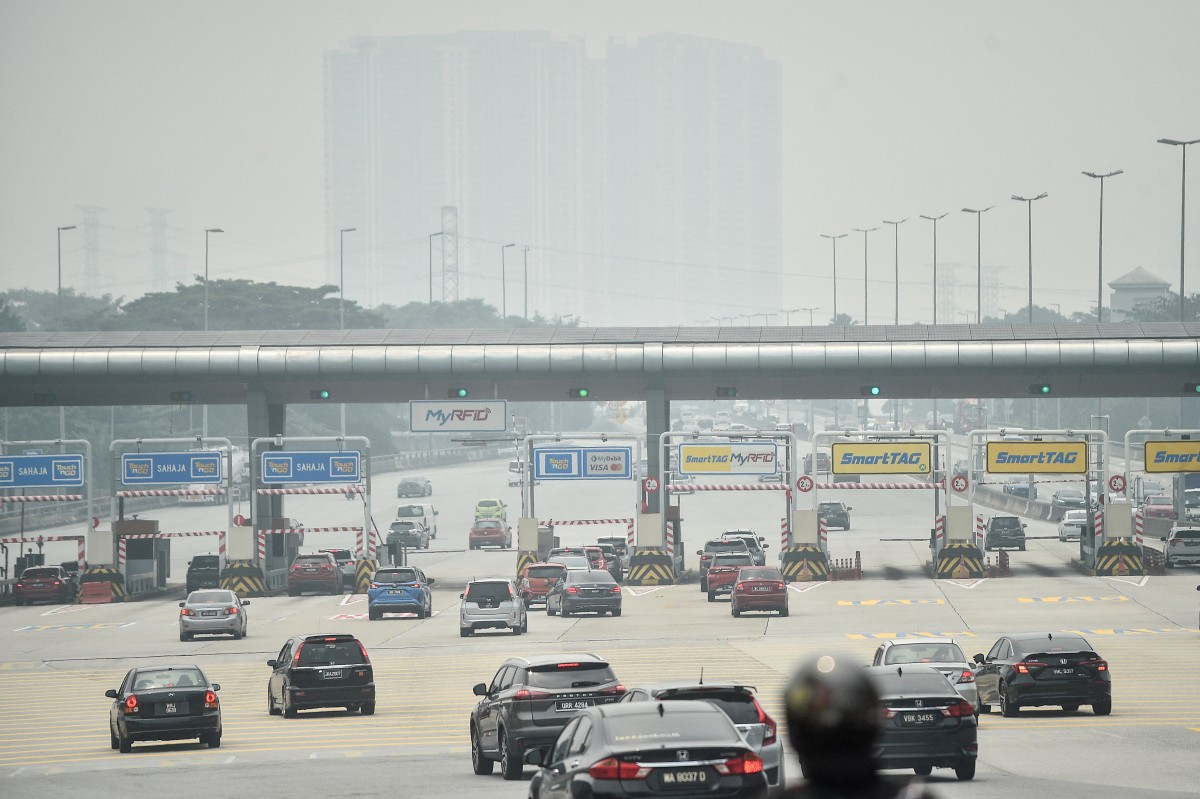
The smoke is reaching well beyond Indonesia. Singapore and parts of Malaysia have recorded unhealthy air quality, and readings in Metro Manila, Ho Chi Minh City and southern Thailand have been elevated during September. Haze pollution is once again affecting large parts of the region.
Much of this was foreseeable. Earlier and more determined intervention could have significantly reduced the scale of the disaster.
In June, the Singapore Institute of International Affairs (SIIA) issued a red-level alert in its Haze Outlook 2026, warning of acute risk. At the same time, the World Resources Institute's Global Nature Watch platform was publishing continuous fire alerts and vegetation disturbance data drawn from satellite monitoring by the VIIRS sensor.
These warnings, combined with long-standing forecasts of severe drought linked to El Niño, should have prompted decisive action from governments, plantation operators and forestry conglomerates alike.
Fire preparedness has attracted considerable investment, but implementation has been uneven, and preventive measures have not contained the outbreak. For now, the focus on the ground must be aggressive fire suppression, along with steps to stop new blazes from igniting.
Residents across Indonesia, Malaysia, Singapore and Brunei have every reason to be angry.